All Categories
Featured
Establish pricing and promotions strategies for each marketplace. Think about aspects such as competition, consumer habits, and marketplace characteristics. You might require to adjust prices and promos based upon each platform's efficiency to remain competitive and take full advantage of sales. Offer top-notch consumer service to preserve a positive reputation on each marketplace. Establish clear customer service processes, without delay react to consumer queries and feedback, and handle returns and concerns professionally and immediately.
Don't stress if you can't get on every marketplace right away. Start with one marketplace and broaden from there.
Work Smart. Sell More. If you are battling with managing your multi-marketplace e-commerce existence, here's help. The option of multichannel selling alternatives you need to use depends on your organization model, target audience, and product niche. Popular marketplaces that lots of retailers choose for selling products consist of Amazon, eBay, Etsy, Walmart, Shopify, and numerous others.
Benefits of Real-Time Inventory Syncing Between Sales Channels
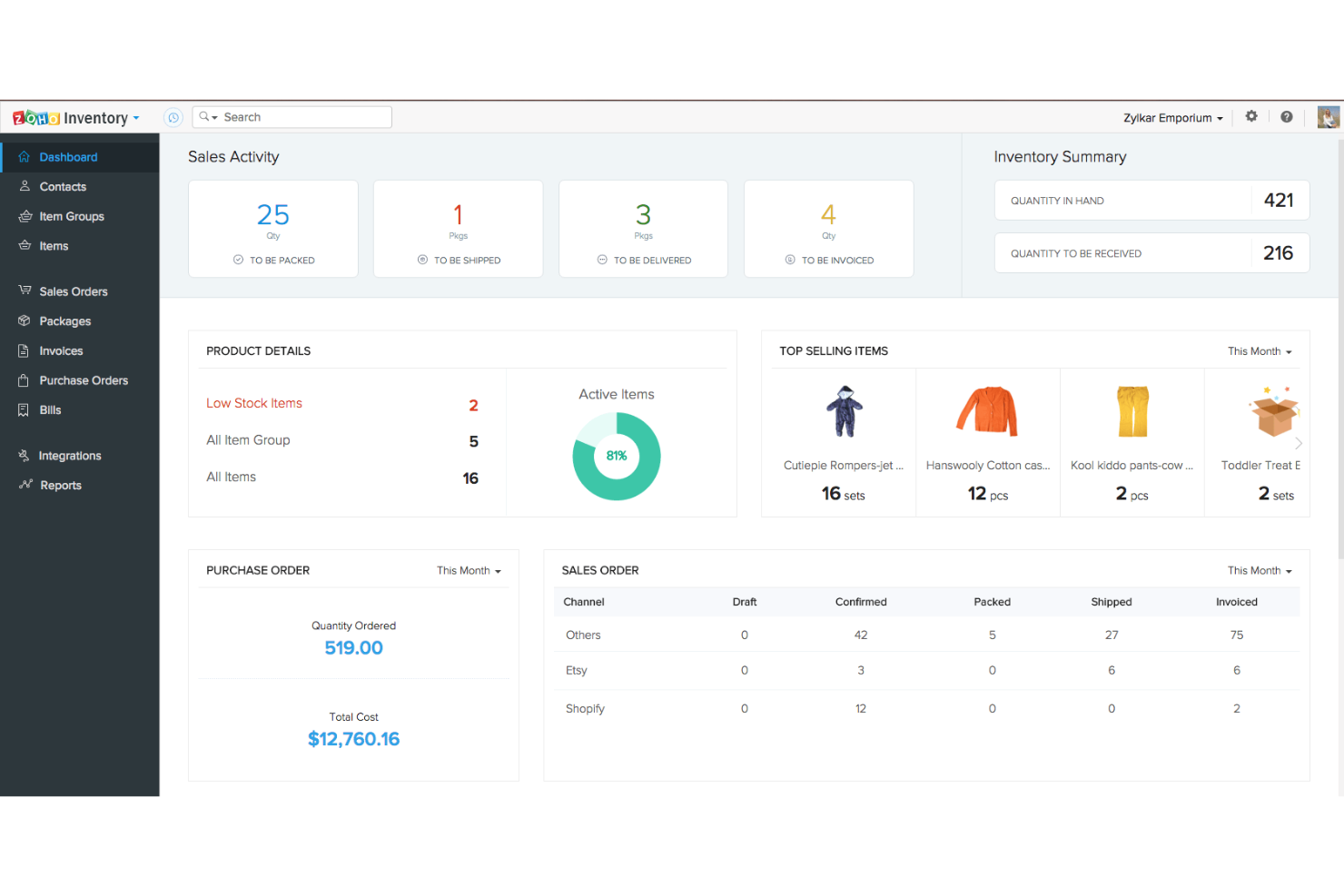
Inventory management across numerous online marketplaces can be difficult. You can use multichannel e-commerce tools or third-party combinations that centralize and automate inventory and order management. These tools can help you sync inventory, update item details, and improve order processing across various markets. Each marketplace supplies online services with its own set of analytics and efficiency metrics to track sales, traffic, and other key efficiency signs (KPIs).

Latest Posts
Local Pickup Models: Optimizing Fulfillment Logistics for 2026
How to Align Live Stock across Diverse Platforms
Creating Flexible Omni-Channel Retail Logistics Networks